

Electrical transformers are among the most critical components in modern power systems. They are responsible for converting voltage and safely and efficiently delivering energy to homes, factories, and commercial buildings. When selecting a transformer, engineers and clients face a key decision between oil-immersed transformers and dry-type transformers. Each type has its own characteristics, advantages, and disadvantages. Choosing the right type depends on project requirements, operating environment, safety level, and maintenance and operational budget.
In this comprehensive guide, we will detail oil and dry transformers, explain their main differences, applications, benefits, and drawbacks, and provide practical tips for selecting the optimal transformer.
Understanding Oil-Immersed Transformers
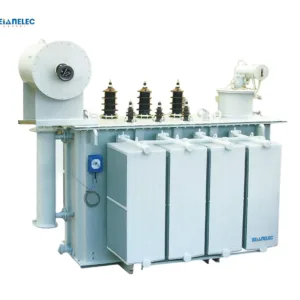
An oil-immersed transformer is a type of transformer whose windings are submerged in insulating oil, which serves two main functions:
Electrical Insulation
Protects the windings from short circuits and breakdowns.
Cooling
Absorbs heat generated during operation and distributes it to prevent overheating.
Oil transformers are known for their high capacity to handle large and continuous loads and have a long service life when regular maintenance is performed. They offer excellent energy efficiency and minimize electrical losses, making them ideal for industrial projects and large factories.
However, oil transformers require more space and continuous monitoring to prevent oil leaks, which could pose environmental hazards or fire risks. Routine maintenance includes checking oil levels, monitoring temperature, and insulation testing to ensure optimal performance.
Understanding Dry-Type Transformers
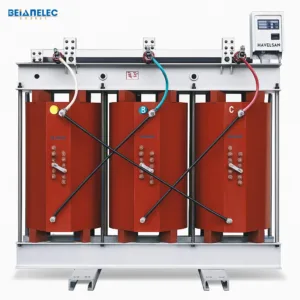
Dry-type transformers rely on air or solid insulating materials instead of oil. The windings are made from heat-resistant materials such as epoxy or fiberglass, making dry transformers safer for indoor installations or near people.
Dry transformers are easy to install and require less maintenance than oil-immersed types, making them ideal for hospitals, schools, and commercial buildings. Their design reduces fire hazards and environmental contamination risks.
Despite these advantages, dry transformers have lower capacity for heavy loads, often come with higher costs for large units, and are less tolerant of sustained overloads.
Key Differences Between Oil and Dry Transformers
To determine which type suits your project best, consider the following aspects:
Cooling Method
-
Oil Transformers: Use insulating oil to cool the windings.
-
Dry Transformers: Use air or solid insulating materials for cooling.
Capacity and Load Handling
-
Oil Transformers: Perform better under large and continuous loads.
-
Dry Transformers: Suitable for medium and small loads.
Safety
-
Dry Transformers: Safer for indoor installations; no leakage risk.
-
Oil Transformers: Require additional measures to prevent leaks and protect the environment.
Maintenance and Operation
-
Oil Transformers: Periodic oil and insulation testing, monitoring leaks and temperature.
-
Dry Transformers: Dust cleaning, thermal performance monitoring, and checking insulation.
Cost
-
Oil Transformers: Lower cost for large units.
-
Dry Transformers: Relatively higher initial cost.
Applications
-
Oil Transformers: Outdoor projects, factories, high-capacity distribution networks.
-
Dry Transformers: Indoor buildings, hospitals, schools, commercial centers.
Practical Applications of Oil Transformers
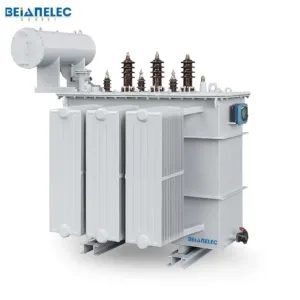
Oil transformers are ideal for projects requiring high capacity and heavy loads, including:
-
Power generation plants and large factories.
-
High-capacity outdoor distribution networks.
-
Projects requiring continuous operation for extended periods.
They provide high efficiency in energy transmission and minimize losses, making them suitable for major industrial projects where operational cost and energy efficiency are critical factors.
Practical Applications of Dry Transformers
Dry transformers are primarily used where higher safety and lower maintenance are needed, such as:
-
Indoor buildings and commercial centers.
-
Hospitals, schools, and densely populated facilities.
-
Projects requiring safe, easy installation and minimal environmental risk.
Although their load capacity is limited compared to oil transformers, dry transformers offer an ideal solution for small to medium projects without extremely high power demands.
Maintenance of Oil and Dry Transformers
Oil Transformers
-
Regularly check oil levels and temperature.
-
Conduct insulation tests to ensure electrical protection.
-
Monitor for leaks or contamination and intervene promptly.
Dry Transformers
-
Clean dust and debris from windings and ventilation systems.
-
Monitor thermal performance and temperatures.
-
Inspect insulation and electrical connections for optimal operation.
Proper maintenance ensures longer service life, reduces failures, and maintains operational efficiency.
Tips for Choosing the Right Transformer
When selecting a transformer, consider the following key factors:
-
Operating Environment: Indoor or outdoor, near people or in industrial sites.
-
Required Load Capacity: Large or medium loads.
-
Safety and Environmental Considerations: Protect users and minimize environmental risks.
-
Maintenance and Cost: Balance initial investment with operational and maintenance costs.
-
Renewable Energy Integration: Choose a type that supports solar or wind power if required.
Based on these criteria, the most suitable type for each project can be easily determined.
Oil and Dry Transformers with Renewable Energy
With the rise of renewable energy projects, selecting transformers that accommodate voltage variations from solar and wind energy is crucial:
-
Oil transformers deliver excellent performance for heavy loads from solar power plants.
-
Dry transformers offer a safe solution for indoor buildings integrated with renewable energy sources.
Practical Installation Examples
-
Installing a three-phase oil transformer in a large industrial factory ensures stable voltage and load handling.
-
Using a dry transformer in a hospital or school ensures safety and minimizes fire risk with minimal maintenance.
-
Integrating dry transformers with solar energy systems in commercial buildings reduces electricity consumption and increases efficiency.
Evaluating Performance and Efficiency
When selecting a transformer, evaluate performance based on:
-
Electrical Efficiency: Minimizing losses during energy transmission.
-
Thermal Stability: Withstanding high temperatures under maximum loads.
-
Reliability: Ability to operate long-term without failures.
-
Flexibility: Expandable or adjustable for future project requirements.
These criteria help avoid costly mistakes and ensure uninterrupted operation.
Environmental and Safety Considerations
-
Dry transformers are more environmentally friendly because they contain no oil that could leak or pollute soil and water.
-
Oil transformers require careful monitoring to prevent leaks or potential fire hazards.
-
For indoor installations, dry transformers provide higher safety and protect occupants from electrical risks.
Investment and Operational Costs
-
Oil transformers are cheaper when purchasing large units and provide higher efficiency for heavy loads.
Dry transformers are initially more expensive but require less maintenance and reduce environmental risks, making them a long-term investment for indoor projects.