 Skip to content
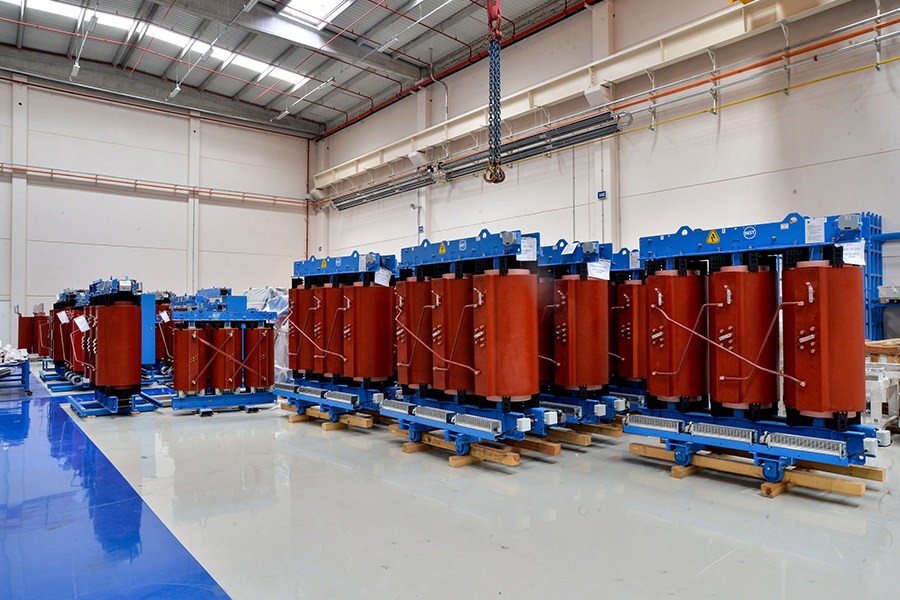
Across Asia, rapid urbanization and industrial growth are driving a surge in electricity demand. Governments and energy providers are under increasing pressure to deliver reliable power while cutting down on carbon emissions and operational losses. One innovative solution emerging as a game-changer is the amorphous alloy dry type transformer Asia.
These transformers are engineered to provide exceptional energy efficiency, durability, and safety — making them an ideal fit for modern Asian cities and industries. Beianelec, a trusted manufacturer in power distribution technology, is leading the transformation with advanced amorphous alloy dry type transformer solutions tailored for Asia’s evolving energy landscape.
What Is an Amorphous Alloy Dry Type Transformer and Why Does Asia Need It?
An amorphous alloy dry type transformer Asia uses an amorphous (non-crystalline) metal core instead of traditional silicon steel. This unique structure significantly reduces magnetic losses, resulting in higher efficiency and lower operating costs.
Asian countries, facing rising energy demands, can benefit tremendously from this technology as it directly contributes to sustainability and energy conservation goals.
You should know the following key aspects:
- The amorphous alloy core has a disordered atomic structure that minimizes core loss.
- Dry-type insulation eliminates oil leakage risks, enhancing fire and environmental safety.
- The design ensures stable performance even under fluctuating voltage conditions common in Asian power grids.
Ultimately, this innovation aligns perfectly with Asia’s green development initiatives and power modernization goals.
How Do Amorphous Alloy Dry Type Transformers Reduce Energy Consumption?
Energy efficiency lies at the heart of amorphous alloy dry type transformer Asia technology. Unlike traditional transformers, the amorphous alloy core drastically lowers hysteresis loss and eddy currents. This translates to measurable savings over the transformer’s operational life.
Here’s how these transformers achieve optimal efficiency:
- Ultra-thin amorphous metal ribbons limit magnetic flux resistance.
- Advanced cooling mechanisms maintain ideal thermal conditions.
- Precision engineering ensures uniform magnetic field distribution, reducing stress on internal components.
These design improvements enable Beianelec’s transformers to achieve up to 70% lower no-load loss than conventional units, making them indispensable in Asia’s drive toward energy efficiency.

Why Is Beianelec a Trusted Provider of Amorphous Alloy Dry Type Transformers in Asia?
Choosing the right manufacturer is critical for performance and reliability. Beianelec stands out as one of the most trusted names in amorphous alloy dry type transformer Asia manufacturing. The company integrates advanced production equipment, rigorous quality testing, and a customer-first philosophy.
Beianelec ensures excellence through:
- Comprehensive testing for every unit to meet global standards.
- Use of moisture- and heat-resistant insulation materials for maximum safety.
- Modular designs for easy installation and low maintenance.
With a strong presence across Asia, Beianelec’s transformers are already powering industrial parks, commercial buildings, and renewable-energy projects.
What Are the Main Advantages of Amorphous Alloy Dry Type Transformers?
The amorphous alloy dry type transformer Asia offers numerous advantages over traditional models, from energy savings to environmental protection.
Some standout benefits include:
- Energy efficiency: Reduced no-load losses improve overall grid performance.
- Safety: Dry-type construction eliminates oil, minimizing fire hazards.
- Eco-friendliness: Lower carbon footprint supports Asia’s green energy targets.
- Durability: High resistance to thermal and mechanical stress ensures long service life.
- Silent operation: Minimal vibration leads to quieter performance, ideal for urban use.
By integrating these features, Beianelec empowers businesses to reduce costs while advancing sustainability goals.

How Do Amorphous Alloy Dry Type Transformers Support Asia’s Green Energy Goals?
Asia is home to fast-growing economies investing heavily in renewable energy. The amorphous alloy dry type transformer Asia plays a key role in optimizing the efficiency of solar and wind power systems. Its design allows for minimal loss even under variable loads, making it ideal for renewable integration.
To support these goals:
- Transformers stabilize voltage output from renewable sources.
- They reduce total energy loss, improving power-distribution efficiency.
- Their eco-friendly materials align with international energy standards.
Beianelec’s continuous innovation ensures that every transformer contributes to cleaner, more sustainable power infrastructure across Asia.
Why Are Amorphous Alloy Dry Type Transformers the Future of Power Distribution in Asia?
The power infrastructure in Asia is evolving rapidly — and amorphous alloy dry type transformer Asia solutions are at the center of that evolution. Their combination of efficiency, reliability, and safety positions them as the cornerstone of modern smart grids.
The transformation involves:
- Replacing outdated silicon-steel transformers with amorphous models.
- Integrating IoT-based monitoring for predictive maintenance.
- Enhancing grid stability to handle fluctuating renewable inputs.
By investing in these technologies today, Asia secures a more resilient and eco-conscious energy future.
Frequently Asked Questions (FAQ)
What makes amorphous alloy dry type transformers different from conventional transformers?
They use a non-crystalline metal core that drastically reduces energy losses, improving efficiency by up to 70%.
Are these transformers suitable for high-temperature environments?
Yes. Their dry-type design and advanced insulation make them perfect for Asia’s humid and hot climates.
Can Beianelec customize transformers for specific industrial applications?
Absolutely. Beianelec offers tailored amorphous alloy dry type transformer Asia solutions to meet diverse voltage, capacity, and installation requirements.
How do these transformers contribute to cost savings?
Lower no-load losses and reduced maintenance costs make them a long-term, cost-effective investment.
The future of energy efficiency in Asia lies in the widespread adoption of amorphous alloy dry type transformer Asia technology. Combining innovation, reliability, and sustainability, these transformers represent a major leap forward for i
