
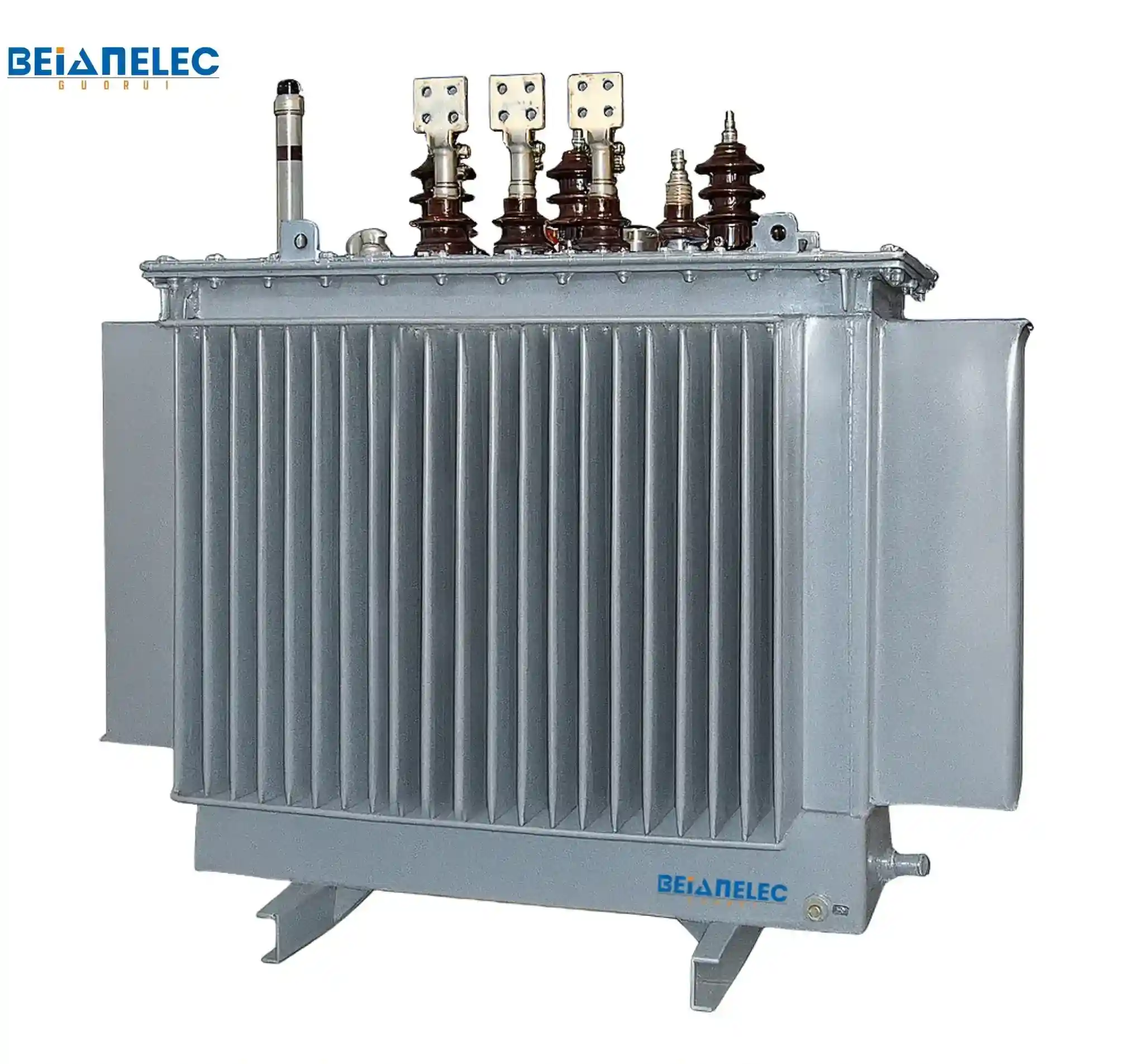

Electricity is the backbone of modern life, powering homes, industries, and infrastructure worldwide. Central to the safe and efficient delivery of electrical energy are distribution transformers. These devices step down high-voltage electricity from transmission lines to lower voltages suitable for residential, commercial, and industrial use. Understanding distribution transformers, their types, applications, maintenance, and advantages is crucial for engineers, utility companies, and anyone involved in the energy sector.
This comprehensive guide explores every aspect of distribution transformers to provide a clear understanding of their role in modern power systems.
What Are Distribution Transformers?
A distribution transformer is an electrical device that reduces high-voltage electricity from transmission networks to low-voltage electricity suitable for end-users. Unlike power transformers that operate at generation or sub-transmission levels, distribution transformers are located near the final consumer to provide electricity safely and reliably.
Core Functions:
-
Voltage Conversion: Reduces high voltage to safe, usable levels
-
Energy Efficiency: Minimizes transmission losses
-
Safety: Protects end-users and electrical equipment from overvoltage and surges
Distribution transformers are widely used across various applications, from residential neighborhoods to industrial complexes.
Key Components of Distribution Transformers
Distribution transformers consist of several essential components that work together to ensure efficient voltage conversion:
-
Core: Typically made of laminated silicon steel, the core directs magnetic flux between primary and secondary windings.
-
Windings: Copper or aluminum conductors that carry current; primary windings receive high voltage, and secondary windings deliver lower voltage.
-
Insulation: Materials such as paper, oil, or epoxy prevent electrical breakdown and ensure safety.
-
Tank and Housing: Protects internal components and may contain insulating oil for cooling.
-
Cooling System: Oil or air cooling prevents overheating and maintains optimal operating temperature.
-
Bushings and Tap Changers: Provide safe connections and allow voltage adjustment to stabilize output.
These components work harmoniously to ensure reliable power delivery.
Types of Distribution Transformers
Distribution transformers are classified based on phase type, construction, cooling method, and installation type.
1. Based on Phase Type
-
Single-Phase Transformers:
Used primarily in residential areas, small shops, and low-demand commercial applications. They are compact and cost-effective. -
Three-Phase Transformers:
Commonly used in industrial plants, large commercial buildings, and distribution networks requiring high power capacity.
2. Based on Cooling Method
-
Oil-Immersed Transformers (ONAN, ONAF):
The windings are immersed in oil which absorbs heat and dissipates it. ONAN (Oil Natural Air Natural) and ONAF (Oil Natural Air Forced) indicate the cooling method. -
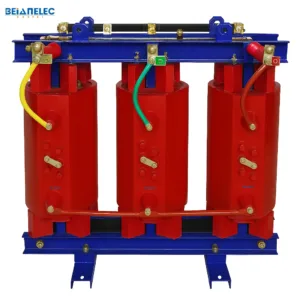
Dry-Type Transformers:
Air-cooled transformers suitable for indoor installations or places where oil is unsafe. They require less maintenance but are typically larger for the same power rating.
3. Based on Installation
-
Pole-Mounted Transformers:
Installed on utility poles for residential and small commercial distribution. -
Pad-Mounted Transformers:
Ground-level units enclosed in metal cabinets, commonly used in urban areas. -
Substation Transformers:
Installed in substations to distribute electricity across neighborhoods or industrial zones.
Applications of Distribution Transformers
Distribution transformers are essential in multiple sectors:
1. Residential Areas
Provide electricity for lighting, appliances, heating, and air conditioning. Proper voltage regulation ensures safety and minimizes equipment damage.
2. Commercial Buildings
Supply electricity for offices, shopping centers, and restaurants, supporting lighting, HVAC systems, and IT infrastructure.
3. Industrial Facilities
Power machinery, motors, and production equipment. Three-phase distribution transformers are commonly used to meet high energy demands.
4. Public Infrastructure
Serve hospitals, schools, airports, and government facilities, ensuring continuous power supply for critical operations.
5. Renewable Energy Integration
Used to step down voltage from solar or wind farms to match local distribution levels.
Advantages of Distribution Transformers
The benefits of using distribution transformers include:
-
Energy Efficiency: Modern designs reduce power losses.
-
Safety: Proper voltage conversion protects equipment and users.
-
Reliability: High-quality transformers provide decades of service with minimal maintenance.
-
Flexibility: Available in various sizes and capacities to meet diverse demands.
-
Economic Benefits: Reduces electricity wastage, lowering operational costs.
Example: Installing a pad-mounted three-phase distribution transformer in a commercial complex ensures stable voltage supply for sensitive equipment and reduces maintenance costs.
Maintenance and Longevity
Maintaining distribution transformers is essential to ensure safety and maximize lifespan:
1. Routine Inspections
Check for oil leaks, corrosion, unusual noise, and temperature irregularities.
2. Temperature Monitoring
Overheating can damage insulation and reduce transformer life. Use temperature sensors or infrared monitoring.
3. Oil Analysis
For oil-immersed transformers, regular oil testing ensures insulation integrity and prevents failure.
4. Cleaning
Remove dust, debris, and moisture that can affect performance, especially in dry-type transformers.
5. Load Management
Avoid overloading to prevent overheating and excessive wear.
With proper maintenance, distribution transformers can last 25–40 years, providing reliable power supply.
Common Challenges and Solutions
Even high-quality transformers can encounter issues:
-
Overheating: Often caused by excessive load or poor cooling. Solution: Install additional cooling or redistribute load.
-
Insulation Failure: Caused by moisture or aging. Solution: Regular oil testing and insulation replacement.
-
Voltage Fluctuations: Resulting from unbalanced loads. Solution: Use tap changers or load balancing.
-
Noise and Vibration: Indicates magnetic or structural issues. Solution: Tighten connections and check core assembly.
Preventive maintenance and timely intervention are key to mitigating these problems.
Modern Trends in Distribution Transformers
Advancements in transformer technology are enhancing performance and efficiency:
-
Smart Transformers: Equipped with sensors and IoT technology for real-time monitoring and predictive maintenance.
-
Eco-Friendly Designs: Using biodegradable insulating oils and reducing environmental impact.
-
Compact and Modular Units: Easier installation and scalable distribution networks.
-
Integration with Renewable Energy: Transformers are adapted for variable inputs from solar and wind power sources.
These innovations make distribution transformers more reliable, sustainable, and efficient for modern energy systems.
Distribution transformers are indispensable in power distribution networks, ensuring that electricity is delivered safely, efficiently, and reliably to homes, businesses, and industries. Understanding their types, components, applications, and maintenance requirements allows utilities and end-users to maximize performance and longevity. As technology advances, distribution transformers continue to evolve, offering smarter, more efficient, and environmentally friendly solutions for modern power systems.
Frequently Asked Questions About Distribution Transformers
1. What is the main function of a distribution transformer?
It converts high-voltage electricity from transmission lines to lower, usable voltages for homes and businesses.
2. What are the main types of distribution transformers?
Single-phase, three-phase, oil-immersed, dry-type, pole-mounted, pad-mounted, and substation transformers.
3. How long can a distribution transformer last?
With proper maintenance, 25–40 years is typical.
4. Where are distribution transformers installed?
They can be installed on utility poles, at ground level (pad-mounted), or inside substations.
5. How can efficiency be improved?
Regular maintenance, load management, and proper cooling enhance efficiency.
6. What maintenance is required?
Routine inspections, temperature monitoring, oil analysis (for oil-filled types), cleaning, and avoiding overloading.
7. What are common problems with distribution transformers?
Overheating, insulation failure, voltage fluctuations, and noise are common issues.
8. Are modern distribution transformers environmentally friendly?
Yes, many use eco-friendly insulating oils and are designed for energy efficiency and reduced environmental impact.
9. Can distribution transformers work with renewable energy?
Yes, they can be adapted for solar and wind power applications.
10. How do I choose the right transformer for my application?
Consider load requirements, phase type, installation environment, cooling method, and compliance with standards such as IEC or ANSI.