


Transformer clearance requirements outline the minimum safe distances around transformers, surrounding structures, equipment, and personnel. These safety distances are essential for effective heat dissipation and to avoid electrical flashovers, safe maintenance access, and fire hazards. Sufficient clearance also aids in meeting electrical safety standards and enhances the operational reliability of substations, industrial plants, and power distribution systems in various voltage and operating conditions.
The Importance of Transformer Clearance Requirements
While operating transformers, adhering to clearance requirements allows for safe, efficient, and reliable service. With adequate spacing, overheating can be avoided and insulation life can be extended with the addition of proper cooling. Reduced clearances mean higher chances of arcing, flashover, and short circuits, so more clearances means higher safety for confined personnel, surrounding walls and equipment from energized portions.
More clearances also mean more safe access to inspect, maintain, and respond to emergencies, and reduce potential hazards to personnel. Adhering to clearance requirements also improves operational efficiency, safety from fires, and safe ways for surrounding structures to avoid damage. Overall, more clearances leads to more reliability to the system and safe operations in the long run, especially in commercial, industrial, and utility installations.
Read More : What is the function of oil in transformer?
Why Proper Transformer Clearance Is Important for Safety
At installation process, transformer clearance requirements must be taken to achieve the safety and reliability, as well as the efficient operation of the installation. Having enough space and minimum clearance around transformers aid in the prevention of electrical fires, allows for more efficient cooling, and safe access for inspection and services. Following the recommended industrial and utility clearance standards can prevent accidents, damage to equipment, and service disruptions to the power systems.
- Prevents hazardous electrical flashover. This is the distance kept between live parts and grounded structures. It, therefore, minimizes the chances of short circuiting and arcing under high voltage.
- With dry type transformer clearance requirements, it is important to Improve heat dissipation preventing over cooling. This allows insulation to cool down and increases the transformer’s lifespan.
- Applying of oil filled transformer clearance requirements limits the risk of fire. This includes space for fire barriers, fire break systems, emergency response access, and oil transformers.
- More safe working environment around the transformer increases the working space around and within the transformer. This reduces the likelihood of contact around energized equipment.
- Safe and efficient maintenance activities. This includes oil sampling, inspection, test, and component replacement.
- Avoids technical harm by minimizing the chance of collisions with adjacent devices, vehicles, or structures during the installation and normal operation.
- Improves adherence to global safety standards, assisting facilities in meeting legal obligations, and avoiding fines or operational restrictions.
- Enhances overall system reliability by managing risks related to overheating, electrical stress, and the environment, which can result in unplanned outages or failures of the equipment.
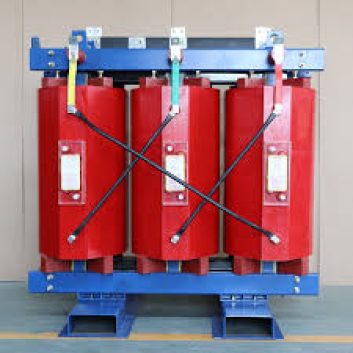
Find Our : Dry Type Transformer
The Standard Working Space Requirements Around Transformers
- Adhering to the working space requirements for transformers maximizes safe operation, maintenance, and electrical regulation compliance. Achieving minimum clearance around transformer must lead to reliability and safety of transformer performance
- To ensure no exposure to energized parts, staff must be able to inspect, test, and perform maintenance operations from all front, rear, and side transformers.
- Due to the increased risk of electrical flashover, a minimum working space must be retained on the basis of transformer voltage level, requiring more space for higher volts.
- To accommodate the removal of covers and bushings, and the addition of radiators and lifting operations, a clear vertical space for the radiators is required.
- Moving parts and safety risk walls must be clear of any obstructions. No stored extras, cable, walls, pipes, of materials should present an obstacle to safe, unencumbered operation.
- Mixtures of tools and equipment mobile must be provided sufficient aisle space for personnel. Emergency evacuation routes must be unencumbered at all times.
- Open access of the required and constructed to occupational safety and load standards doors, ladders, and platforms must be ensured.
- Minimum clearance around transformers must allow openings within the working space to prevent heat buildup and maintain acceptable operating temperatures.
- Follow applicable international and local standards, such as IEC or IEEE guidelines, to ensure consistent safety practices and regulatory compliance.
Fire safety considerations for transformers
Different fire safety considerations regarding transformers may be necessary to protect people, equipment, and surrounding areas from fire hazards. Operating temperature and insulation oil help to create a fire risk. Proper designing, installing, monitoring, and protective methods help to lower the fire risk and limit the damage to the transformer and equipment.
- To lower the risk of equipment fire or the spreading of fire, position the transformer further away from buildings, equipment, and combustible material.
- To protect equipment and personnel from fire and explosions damage, fire resistant material, firewalls, and blast walls may be used to envelop the transformer.
- With the aid of suitable dimensions around transformers, the fire detection system (smoke, heat and/or flame) used should be trustworthy to ensure prompt emergency actions.
- Transformer clearance requirements must include sufficient permeability for fire suppression (water spray, foam or inert gas) systems to ensure fire safety.
- Ensure oil containment methods (bund walls or oil pits) are effective to control the movement of burning oil that could be a result of tank rupture or oil leakage.
- Abnormal fire risk conditions should be avoided and are indicated by abnormal transformer temperature, pressure, and oil condition monitoring.
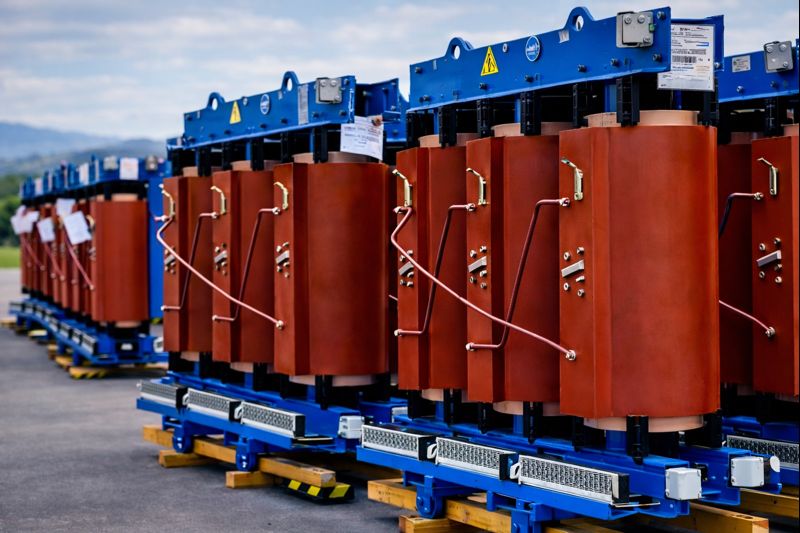
Common Mistakes in Calculating Transformer Installation space
In order to ensure safe operation, effective cooling and long-term maintenance of the transformers, accurate calculations for minimum clearance around transformers must be done. However, planning and design mistakes can lead to safety risks, design overheating and expensive modifications. By identifying these risks, engineers, contractors and facility owners can avoid compliance issues and ensure dependable performance of the transformers throughout their lifetime.
- Risk of electrical flashover and overheating is increased by ignoring the standards’ minimum clearance requirements and therefore having insufficient spacing.
- Servicing is made difficult and unsafe by underestimating the space required for maintenance activities (e.g. oil sampling, bushing replacements, and radiator removals).
- The need for ventilation and heat dissipation is often overlooked which leads to restricted ventilation and increased temperature during normal operation. This conflicts with oil filled transformer clearance requirements.
- When future additions to the load are required (e.g. components increases or upgrades to the equipment), space constraints resulting from future equipment upgrades or expansions are often overlooked.
- The absence of access for firefighting equipment, oil tanks, and control containment to the transformers, as well as overall walls for containment of oil add to the risk around oil transformers.
- Insufficient space for safe movement and maintenance, tools, and lifting equipment is the result of miscalculations of aisle width and access pathways.
- Ignoring vertical clearance with lifters, cables, and overhead structures increases the chances for mechanical clash and delays in installation.
- Using the dimensions of the equipment footprint alone for planning, without considering operational, safety, and regulatory spacing requirements, is in violation of local and international standards. In transformer clearance requirements, international standards must be followed.
Stay safe with Beianelec Transformers
Transformers developed by Beianelec allow customers to make long-term investments in reliability, protection, and peace of mind. Beianelec integrates advanced engineering with a thorough attention to quality and a commitment to all pertinent international standards to make safety a top priority in their design and manufacturing processes. Beianelec transformers are designed according to international standards to achieve all safety requirements.
- Committed to international standards, like IEC and IEEE, in offering the most diverse applications, with the highest safety margins, and consistent, regulatory-compliant performance.
- Quality manufacturing incorporates effective insulation and electrical components that alleviate overheating and insulation failure.
- Designed to avoid the risks associated with excessive heat, and longevity of the service life of transformers, are efficient cooling systems maintain safe operating temperatures.
- Advanced protection features such as the monitoring of cooling system temperatures, schema of pressure relief, and systems of fault detection address risks at their earliest, to prevent system failure.
- Beianelec systems are the only ones that offer all possible types of testing, and the only ones that assure the safety of electrical, thermal, and mechanical aspects of their systems before shipping and installation.
FAQs
Why is ventilation clearance so important for transformers?
Ventilation clearance prevents overheating of the insulation material from the heat produced during operation. If insulation material gets too hot, insulation aging occurs, and efficiency is adversely affected. Additionally, the likelihood of faults, fires, or premature transformer failure is substantially increased.
How far does a transformer need to be away from a wall?
Depending on the relevant regulations, transformer voltage, and the cooling method used, the minimum clearance around transformers from a wall can vary and be anything from a few hundred millimeters to over one meter. Regardless of the applicable rules, there must be sufficient distance from the wall to provide proper airflow, heat dissipation, and access for maintenance.
Does indoor transformers installation require different clearance than outdoor?
Yes. dry type transformer clearance requirements must be taken at indoor installations than outdoor installations, particularly the ventilation, fire safety, and maintenance clearances. The close, confined space of an indoor installation has a more limited airflow and can require more stringent safety regulations than an outdoor installation.
Why is ventilation clearance so important for transformers?
Ventilation clearance prevents overheating of the insulation material from the heat produced during operation. If insulation material gets too hot, insulation aging occurs, and efficiency is adversely affected. Additionally, the likelihood of faults, fires, or premature transformer failure is substantially increased.
How far does a transformer need to be away from a wall?
Depending on the relevant regulations, transformer voltage, and the cooling method used, the minimum clearance around transformers from a wall can vary and be anything from a few hundred millimeters to over one meter. Regardless of the applicable rules, there must be sufficient distance from the wall to provide proper airflow, heat dissipation, and access for maintenance.
Does indoor transformers installation require different clearance than outdoor?
Yes. dry type transformer clearance requirements must be taken at indoor installations than outdoor installations, particularly the ventilation, fire safety, and maintenance clearances. The close, confined space of an indoor installation has a more limited airflow and can require more stringent safety regulations than an outdoor installation.
Add comment